
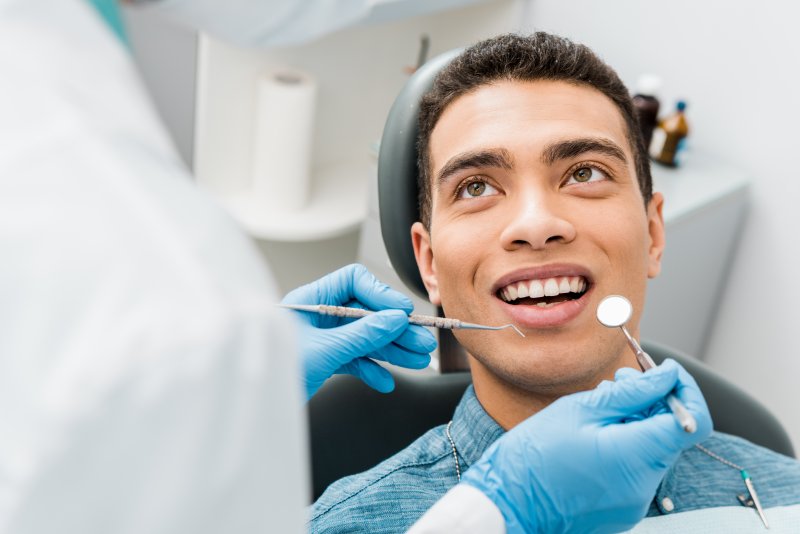
With November nearly over, now is a great time to get a dental checkup. You could attend one during the Thanksgiving break without having to schedule around work. That said, don’t forget to mention certain health matters when you finally see your dentist; doing so will ensure good results. Your Colorado Springs dental practice will explain what to discuss. So, here are four health-related factors you should bring up at your next dental checkup.
Your Oral Hygiene Habits
Whatever your feelings about them, mention your oral hygiene habits at your checkup. Knowing how (and whether) you clean your smile will help your dentist prepare the right treatment.
Remember, home oral care has a huge impact on your oral health. It affects whether you’re at high risk for cavities, tooth infections, gum disease, etc. That being the case, knowing your oral hygiene routine lets a dentist grasp your mouth’s immediate needs. They can then give you the most suitable services and procedures.
Any Heart or Digestive Health Issues
While they may seem unrelated to your grin, mention your heart or digestive issues you have to your dentist. A dental provider can then tailor your treatment plan.
As it turns out, oral health can affect problems with your heart or digestion and vice versa. One example is how gum disease and tooth decay can raise your blood pressure. Similarly, a case of diabetes can aggravate infected gums and make these tissues decline. A dental practice will want to know how your heart and gut are doing so they can adjust their procedure(s) for you.
Changes in Your Medication(s)
Your current medication is also something your dentist should know. After all, the medicine you take can affect your oral health.
Indeed, various medicines can alter your mouth’s condition. Some supplements – especially vitamins D, A, and C – can actually strengthen your teeth and gums. On the other hand, a medication you take may cause a dry mouth that harms your enamel or gum tissues. It follows that you ought to tell your dentist about the medicines you regularly take.
Whether Your Gums Bleed After Brushing
If your gums tend to bleed after brushing, you should mention that fact at your checkup. Your dental team can then look after your smile more effectively.
You see, tender or bleeding gums are a sign of gingivitis. Having them means there’s a good chance your gum tissues are irritated and inflamed and that they’ll worsen if left unchecked. Thankfully, gingivitis is very responsive to treatment; we can quickly address it once we know you have the condition.
If your next dental checkup is coming up, please tell your dentist about the points above. Doing so will leave you and your smile better off!
About the Author
Dr. Avery Lane is a proud member of the American Dental Association. As a well-qualified and dedicated cosmetic dentist, she happily provides patients with beautiful smile enhancements that help them feel more confident. If you suspect you might have a case of cavities or gum disease, contact Dr. Lane at 719-634-3204 so she can treat your teeth and help you achieve your dream smile!